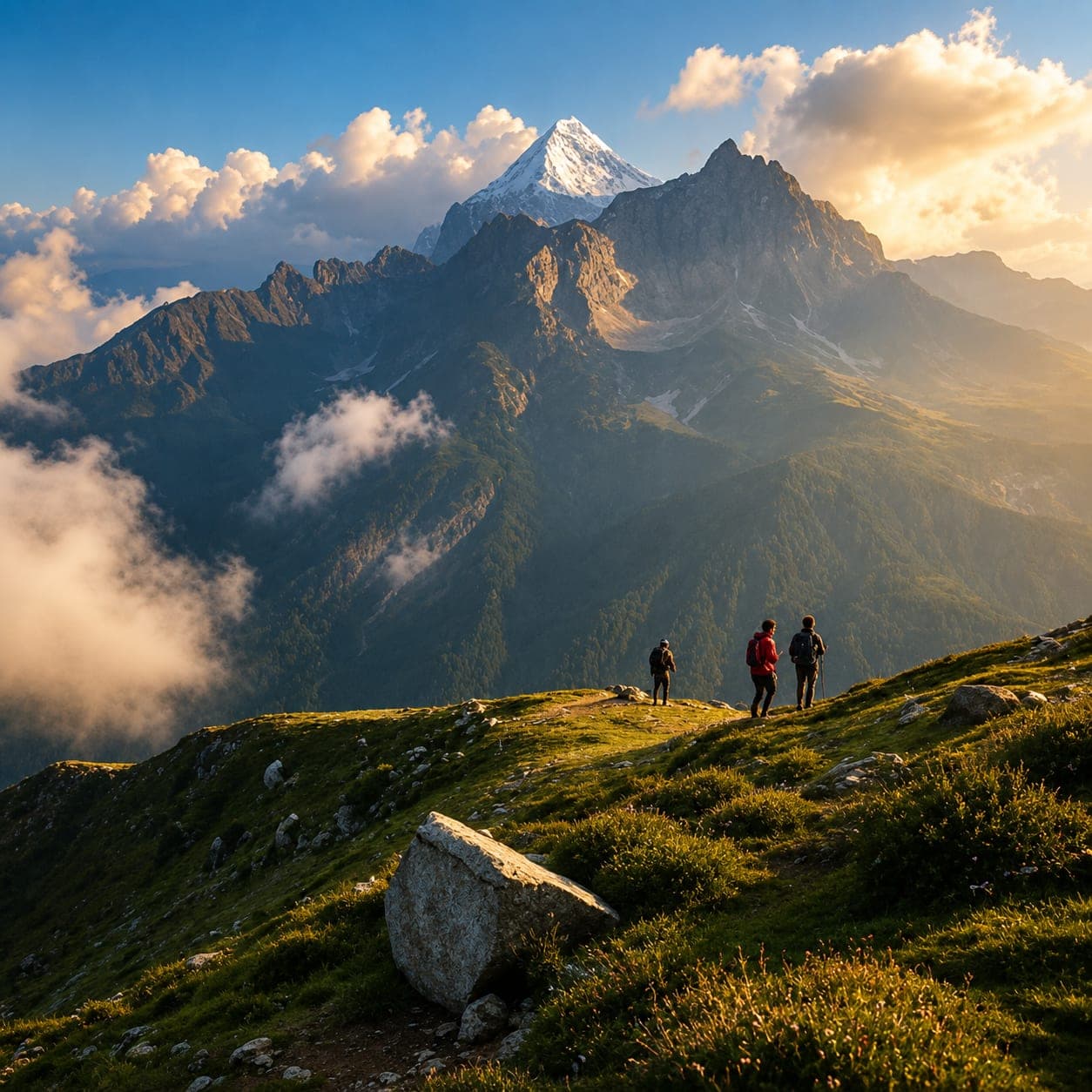
Most of the preparation advice floating around for Himalayan treks is written for summer conditions and only loosely adapted for winter. That gap matters — a packing list or fitness routine that's "mostly fine" for a summer trek can leave you genuinely under-prepared for a winter one, where the margin for being cold, wet or exhausted is much smaller.
Fitness: What You Actually Need
For accessible winter treks like Triund, Chopta-Tungnath or Dayara Bugyal, you don't need athlete-level fitness — but you do need more than a sedentary baseline. Regular walking (30–45 minutes, most days) or light cardio for 3–4 weeks before your trek is a realistic, achievable preparation window for a reasonably healthy adult. Stair climbing is a genuinely useful substitute if you don't have access to hills or long walking routes near home, since it builds the same leg strength winter trails demand. If you have any pre-existing cardiac or respiratory condition, a quick check with your doctor before committing to a winter trek specifically is worth the ten minutes it takes.
The Gear That Actually Matters
Sleeping bag rating, not just "winter sleeping bag." Check the comfort temperature rating against the actual expected night temperature at your trek's altitude and season — a bag rated for 5°C won't do much good at a genuine sub-zero campsite.
Waterproof boots with real tread. Regular trekking shoes soak through in snow within an hour, and once wet, insulation stops working — this is the single most common gear mistake first-time winter trekkers make.
Layering over one heavy jacket. A base thermal layer, a mid insulating layer and a windproof/waterproof outer shell work better than one thick jacket, since you can adjust layers as exertion and temperature change through the day.
Gloves that stay functional when wet. Basic woollen gloves lose their insulating value once damp — a waterproof outer glove over a thermal liner is the more reliable combination.
A headlamp, not just a phone flashlight. Winter treks often involve earlier starts and shorter daylight windows — a proper headlamp keeps your hands free on uneven, possibly icy terrain.
Sunglasses or snow goggles. Snow glare is genuinely intense, even under cloud cover, and is an easy thing to underestimate until you're a few hours into a bright snow trail.
Altitude and Safety Basics
None of the beginner-friendly winter treks covered in our winter trek guide reach altitudes where serious altitude sickness is a major risk, but basic awareness still matters: ascend at a reasonable, unhurried pace, stay hydrated (it's easy to drink less in cold weather simply because you feel less thirsty), and tell your group leader immediately if you feel unusually dizzy, nauseous or short of breath beyond normal exertion. On icier trail sections, trekking poles genuinely help with stability and are worth packing even if you don't normally use them.
Food and Hydration in Cold Weather
Appetite and thirst both drop in cold weather, which is exactly the opposite of what your body needs during physical exertion — make a deliberate effort to eat and drink on a schedule rather than waiting to feel hungry or thirsty. Warm drinks (tea, soup) at camp do double duty as hydration and a genuine comfort boost after a cold day's walking.
What to Do the Night Before You Leave
Check the weather forecast for your specific trek location, not just the nearest town — mountain weather at altitude can differ meaningfully from the valley forecast. Pack your sleeping bag and outer layers somewhere easily accessible, not buried at the bottom of your bag, since temperatures drop fastest right when you arrive at camp and need them quickest. Charge power banks fully — cold weather drains phone batteries considerably faster than normal.
Common First-Timer Mistakes
Packing a summer trekking list with a jacket added. Winter gear is a genuinely different list, not a summer list plus one warm layer — see the gear section above.
Underestimating how early it gets dark. Winter daylight windows are shorter; plan your trekking day accordingly rather than assuming summer-length daylight.
Skipping the pre-trek fitness routine because "it's not a hard trek." Easy-to-moderate still means real walking at altitude in cold conditions — a few weeks of basic preparation makes a genuine difference to how much you enjoy it.
Not testing new gear before the trek. Break in new boots and test your sleeping bag setup before you're on the trail — the trek itself is the wrong time to discover a problem with new equipment.
Frequently Asked Questions
How fit do I need to be for a beginner winter trek? Basic cardio fitness — regular walking or light cardio for 3–4 weeks beforehand is a realistic, sufficient preparation window for routes like Triund or Chopta-Tungnath.
What's the most important piece of gear for a winter trek? Waterproof boots with real grip and a properly rated sleeping bag — these two items cause the most discomfort when under-prepared, more than any other single item.
Is altitude sickness a concern on beginner winter treks? Not seriously, for routes like Triund, Chopta-Tungnath or Dayara Bugyal — but basic awareness (ascending at a reasonable pace, staying hydrated) still matters.
Can I rent winter trekking gear instead of buying it? Basic gear rental is often available through local operators at the trek base — worth asking your trek organiser in advance if you don't want to invest in gear for a single trip.
Do I need trekking poles for an easy winter trek? Not strictly required, but genuinely useful on icier trail sections for stability — worth packing even if you don't normally use them in summer.
See our winter snow trek guide for specific route details, or get in touch if you'd like help choosing the right winter trek for your experience level.