Ladakh rewards planning more than almost any other Indian destination — the altitude alone changes how you should structure your days, and the region's scattered highlights (Leh, Nubra, Pangong, Tso Moriri) each need real drive time to reach. This guide brings the whole trip together in one place, and links out to our shorter, topic-specific guides wherever you want more depth on a single question.
Understanding Ladakh's geography
Ladakh is a separate union territory (split from Jammu & Kashmir in 2019), a high-altitude cold desert in India's far north, distinct in landscape, culture and administration from the Kashmir Valley. Leh, the region's main town, sits at roughly 3,500 metres and serves as the base for almost every itinerary. From Leh, the region fans out into several distinct areas that each require a dedicated day or more: Nubra Valley (north, over Khardung La), Pangong Lake and the Chushul sector (east), Tso Moriri (further southeast), and Zanskar Valley (a genuinely remote region reached via a different route entirely — see our dedicated Zanskar guide if that's your specific interest).
Altitude and acclimatization — the single most important planning factor
Leh's altitude alone puts genuine altitude-sickness risk on the table for visitors flying in directly from sea level, and this shapes how every good Ladakh itinerary is built. The standard, non-negotiable rule is to keep your first full day in Leh free of strenuous activity — no long walks, no early excursions to higher passes — purely to let your body adjust. Drink more water than feels necessary, avoid alcohol on your first two days, and treat any headache, nausea or breathlessness beyond mild tiredness as a signal to rest rather than push through. Our first-timer's Ladakh guide goes deeper on this specifically.
Leh — the base for everything
Leh Palace, a nine-storey former royal residence overlooking the town, Shanti Stupa's hilltop views, and the Sangam point (where the Indus and Zanskar rivers visibly meet) are Leh's core sightseeing, alongside Magnetic Hill's well-known optical-illusion stretch of road. Leh's main bazaar is also the region's best shopping base — pashmina, Ladakhi jewellery and local handicrafts are all readily available here.
Khardung La — the gateway north
Often described (with some competing claims from other passes) as one of the highest motorable roads in the world, Khardung La is the route north into Nubra Valley and a genuine highlight in its own right, with a viewpoint and small cafe at the top for those making the crossing.
Nubra Valley
A cold desert landscape with double-humped Bactrian camels at the Hunder sand dunes, Diskit Monastery's giant Maitreya Buddha statue, and Turtuk village — a former part of Pakistan-administered territory, opened to tourists only in 2010 — Nubra feels like a genuinely different region from Leh itself. See our dedicated Diskit Monastery guide for more on this specific stop.
Pangong Lake
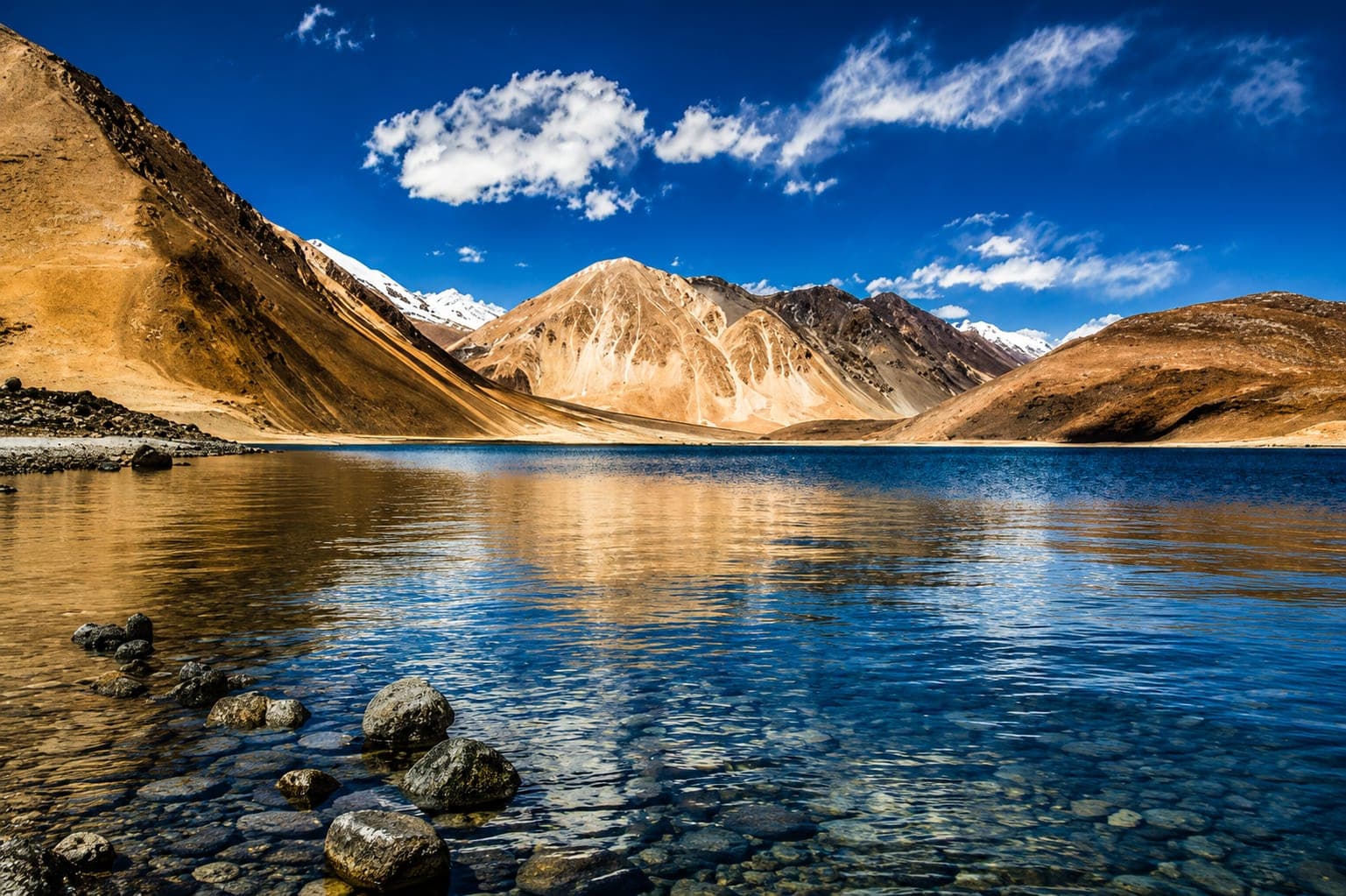
Ladakh's most photographed lake, changing colour through blues and greens across the day, sits partly in India and partly in China-administered territory, and requires an Inner Line Permit to visit (arranged through your operator as standard for domestic tourists). An overnight stay near the lake is common on longer itineraries, giving you both sunset and sunrise views.
Tso Moriri
Quieter and less visited than Pangong, Tso Moriri and the small village of Korzok nearby offer a genuinely more remote, undisturbed version of Ladakh's high-altitude lake scenery — worth the extra day for travellers who found Pangong's crowds a little much.
The monastery circuit — Hemis, Thiksey and Shey
Closer to Leh, Hemis Monastery (home to the famous Hemis Festival each summer), Thiksey Monastery (often compared to Tibet's Potala Palace for its tiered architecture) and Shey Palace together make for a strong half-day of monastery visits without requiring a long drive out of Leh.
Permits — what you actually need
Indian nationals need an Inner Line Permit for several areas including Nubra Valley, Pangong Lake and Tso Moriri, obtainable online or in Leh with a valid photo ID — this is arranged as a standard part of any properly run Ladakh itinerary, including ours. Areas closer to the border, like the Chushul sector (see our Rezang La guide), can carry additional restrictions that vary with the current security situation.
Ladakhi food and culture
Ladakhi cuisine draws heavily on Tibetan influence — thukpa (a noodle soup) and momos are everywhere, alongside more distinctly Ladakhi dishes like skyu (a hand-shaped pasta stew) and chhurpi (a hard, dried yak-milk cheese). Butter tea (gur gur chai), made with salt and butter rather than sugar, is a genuinely different experience from Indian chai and worth trying at least once even if it's not to everyone's taste. Ladakh's Buddhist culture, distinct from the rest of Jammu & Kashmir, is visible everywhere — from prayer flags and mani walls to the region's numerous working monasteries.
Safety and practical realities
Beyond altitude sickness (the most common real risk), Ladakh's roads involve genuine mountain driving with limited overtaking room and occasional weather-related delays — build buffer time into your itinerary rather than a tight back-to-back schedule. Mobile network coverage is patchy to non-existent in Nubra, Pangong and Tso Moriri, so let people know you'll be unreachable for stretches of your trip. Fuel and services are sparser outside Leh, which is another reason a properly planned itinerary with a private vehicle (rather than an improvised self-drive trip) is worth the cost here specifically.
Budgeting for a Ladakh trip
Ladakh trips run longer than most domestic circuits simply because of the distances involved — our own itinerary runs 11 days, 10 nights to properly cover Leh, Nubra, Pangong and Tso Moriri without rushing acclimatization or driving days. Costs are driven mainly by trip length, vehicle type (a private car/traveller for the whole circuit, as ours includes, versus shared transport) and season, with peak summer (June–August) carrying the highest demand and pricing.
A sample 11-day itinerary
Day 1: Arrive Leh, acclimatization. Day 2: Leh sightseeing — Sangam, Magnetic Hill, Shanti Stupa, Leh Palace. Day 3: Drive to Nubra Valley via Khardung La, ATV ride, Hunder sand dunes. Day 4: Diskit and Samstanling monasteries, camel ride. Day 5: Turtuk village, Panamik hot springs. Day 6: Nubra Valley to Pangong Lake. Day 7: Pangong Lake to Tso Moriri via Tsaga La Pass. Day 8: Tso Moriri, Korzok village. Day 9: Hemis, Thiksey monasteries, Shey Palace. Day 10: Leh leisure and shopping. Day 11: Departure.
Best time to visit
Ladakh's main tourist season runs roughly May through September, once the high passes clear of winter snow — outside this window, most of the region beyond Leh itself becomes inaccessible by road.
Frequently asked questions
How many days do I need for a proper Ladakh trip? 9–11 days is realistic for covering Leh, Nubra, Pangong and Tso Moriri without rushing acclimatization or driving days — our own package runs 11 days, 10 nights for exactly this reason. A shorter 5–6 day trip can still work covering just Leh and Nubra or Leh and Pangong.
Is altitude sickness a serious risk? It's a genuine risk that proper trip design manages well — a rest day on arrival in Leh, staying hydrated, and avoiding alcohol early in the trip address most of the risk for average-fitness travellers. Anyone with pre-existing heart or lung conditions should consult a doctor before booking.
Do I need a permit to visit Ladakh itself? No permit is needed to visit Leh itself for Indian nationals, but an Inner Line Permit is required for Nubra Valley, Pangong Lake and Tso Moriri — this is arranged as a standard part of a properly organised itinerary.
Can I fly directly into Leh? Yes, Leh has a domestic airport with regular flights from Delhi — most itineraries, including ours, use Leh Airport for both arrival and departure.
What's the single best month to visit if I can only pick one? June or September both offer a strong balance of accessible roads, comfortable weather and slightly fewer crowds than the July–August peak.
Planning your trip
Our Ladakh — Cuisine and Culture package covers everything in this guide as a complete 11-day, 10-night circuit — Leh, Khardung La, Nubra Valley, Turtuk, Pangong Lake, Tso Moriri and the Hemis-Thiksey-Shey monastery circuit — with airport pickup and drop from Leh. See the package page for the current itinerary and inclusions, or share your dates through our Custom Quote form for a tailored price.